 We are collecting today for tomorrow
Ethnographic Museum Zagreb, 2024
Photographs by Ana Vuko courtesy of Center for Research of Fashion and Clothing (CIMO) and the artist.
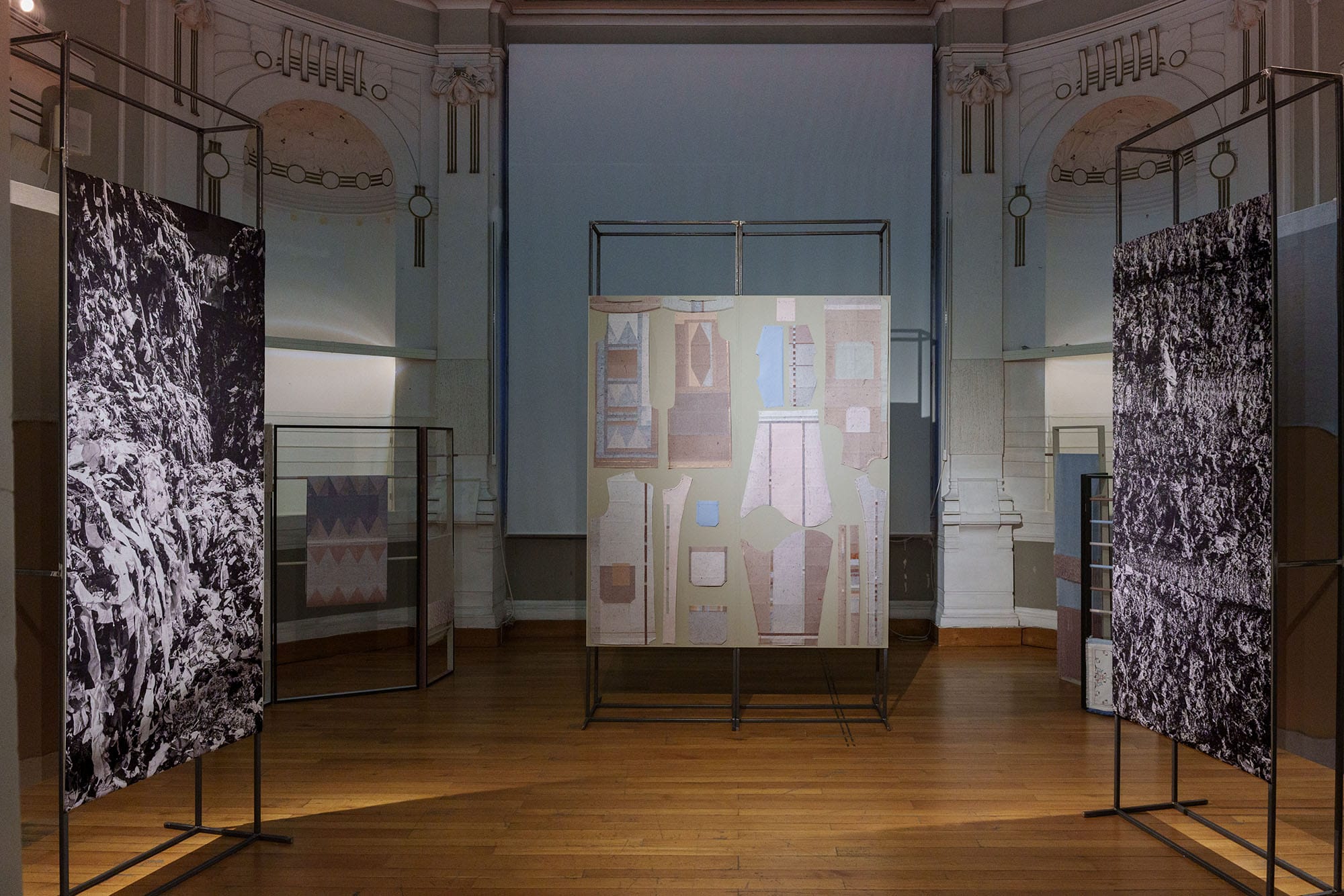
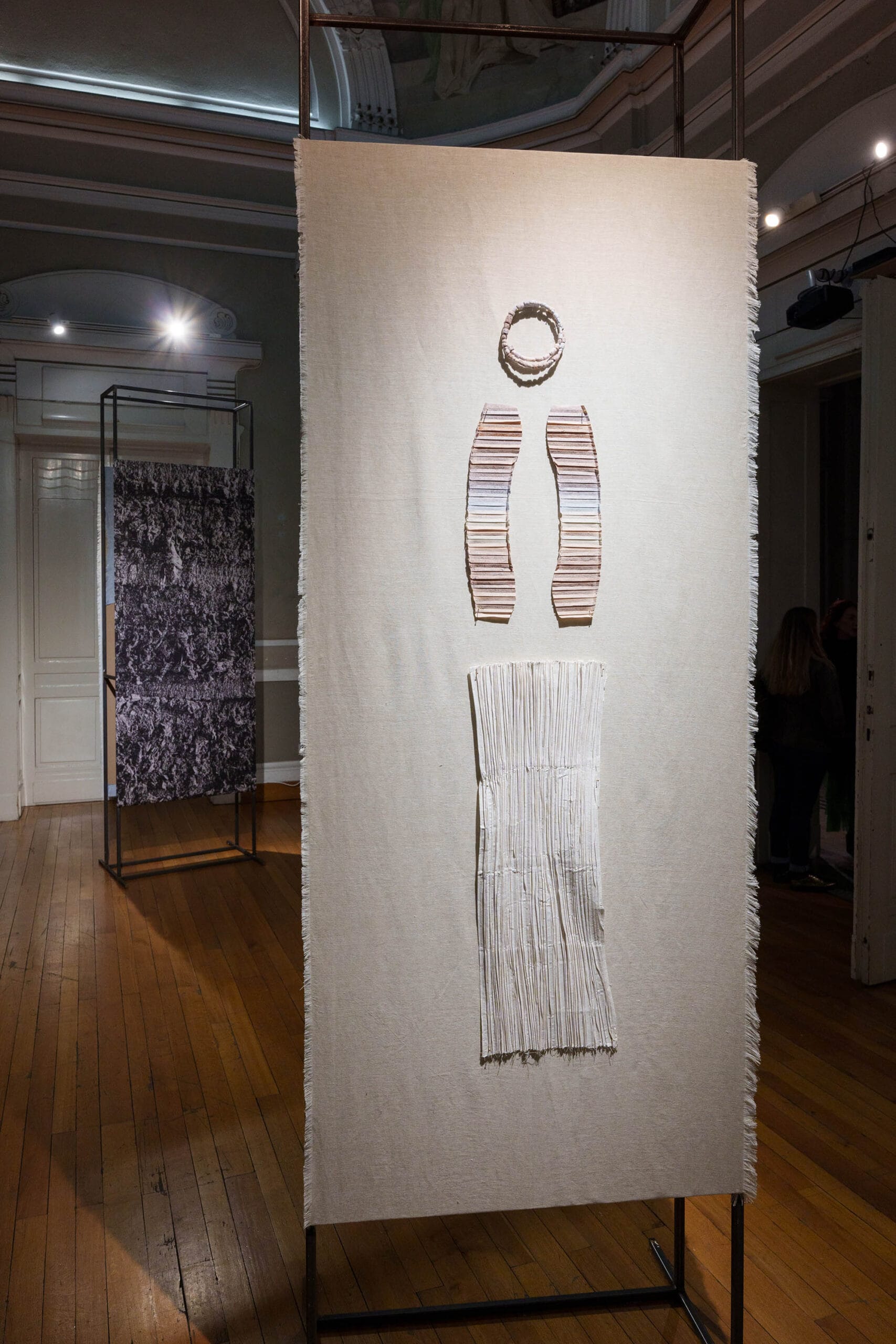
Borrowing its title from a museological proposition, We are collecting today, for tomorrow presented the reconfigured ‘remains of the remains’ in an exploration of the cultural and industrial heritage of textiles and clothing. Reconstituted materials took centre stage, applying craft techniques to the industrially produced, the surplus to requirements, and the souvenir, to consider ideas of care, authenticity, and what is valued and survives. The exhibition was developed from research from my Briefing on Soft Arts residency with Center for Research of Fashion and Clothing (CIMO) in Zagreb in 2023. Melding references to the preservation of the local and handmade, with transitory and global aspects of textile production and tourism, the exhibition was at once a celebration of traditional handicrafts and contemporary efforts in textile recycling, as well as a tribute to the labour and overlooked relics of the Balkan garment industry which escaped archival preservation.
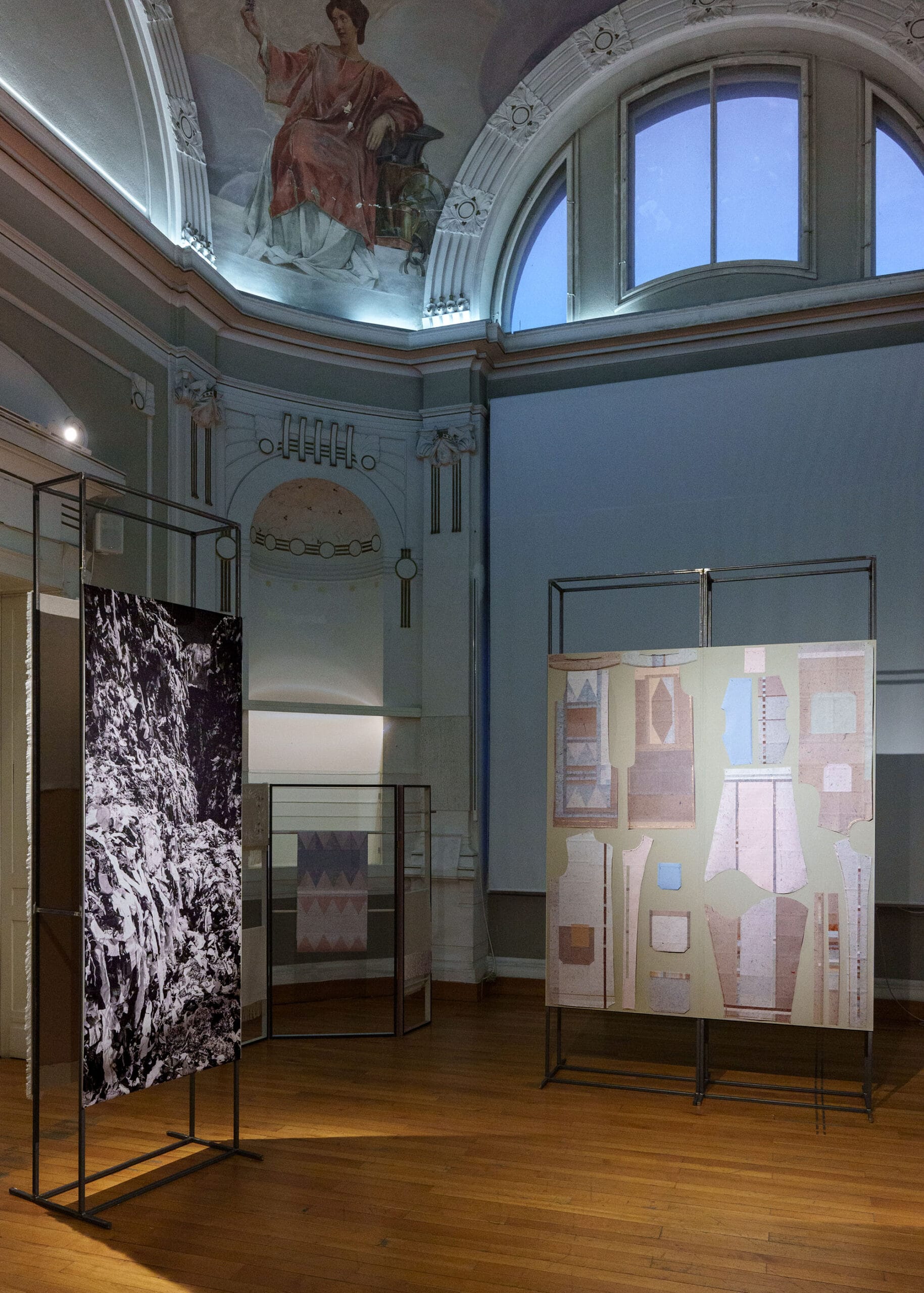
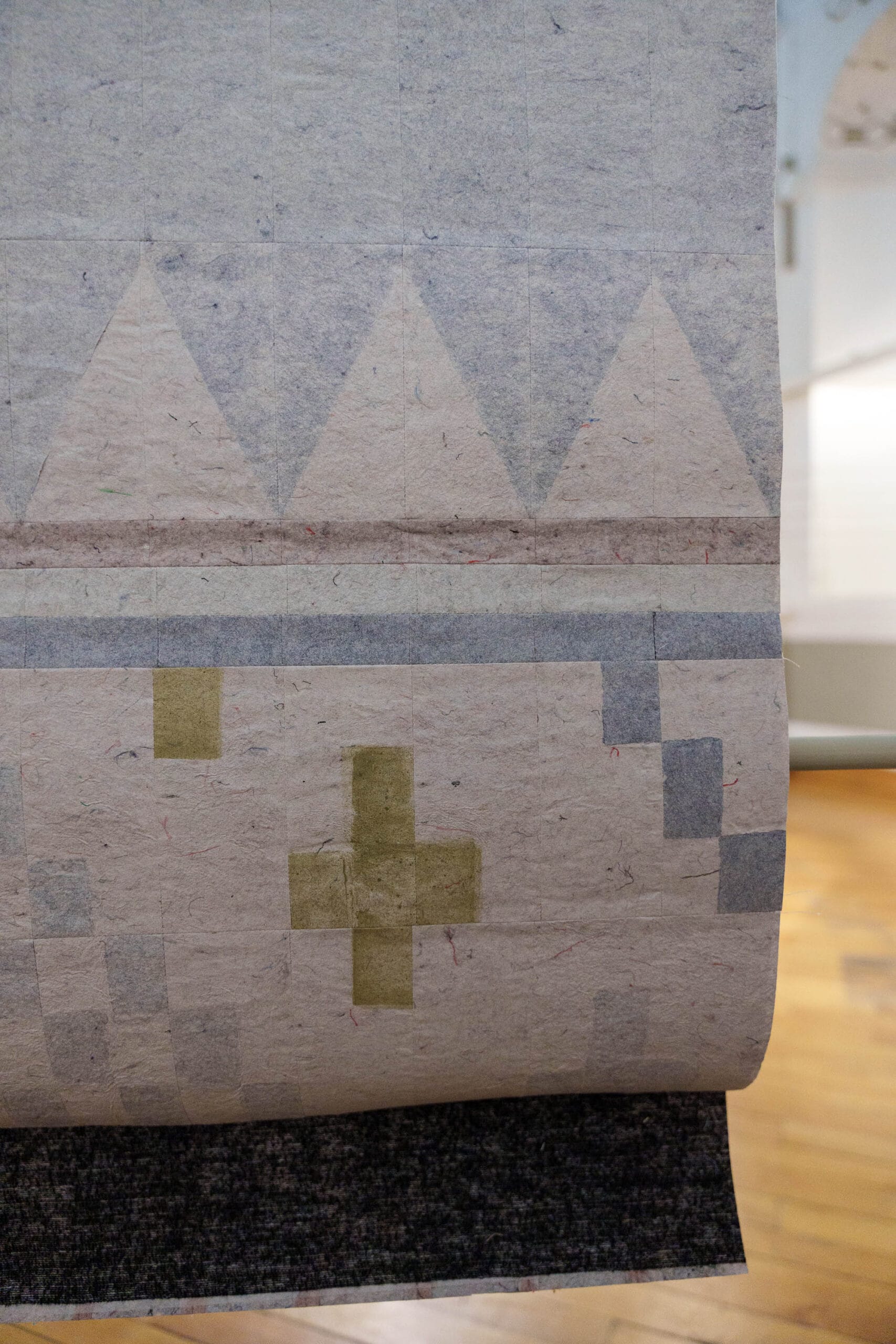
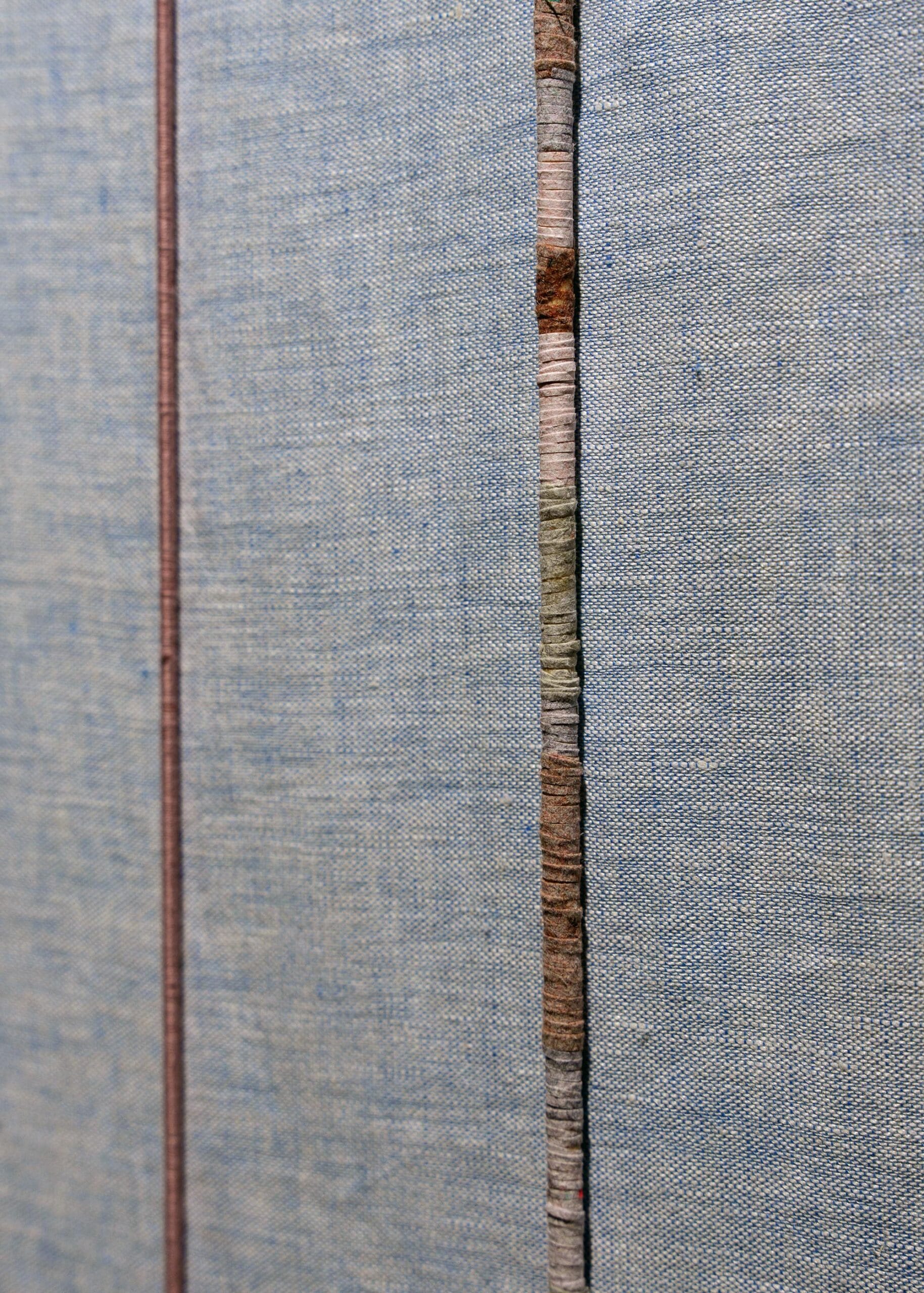
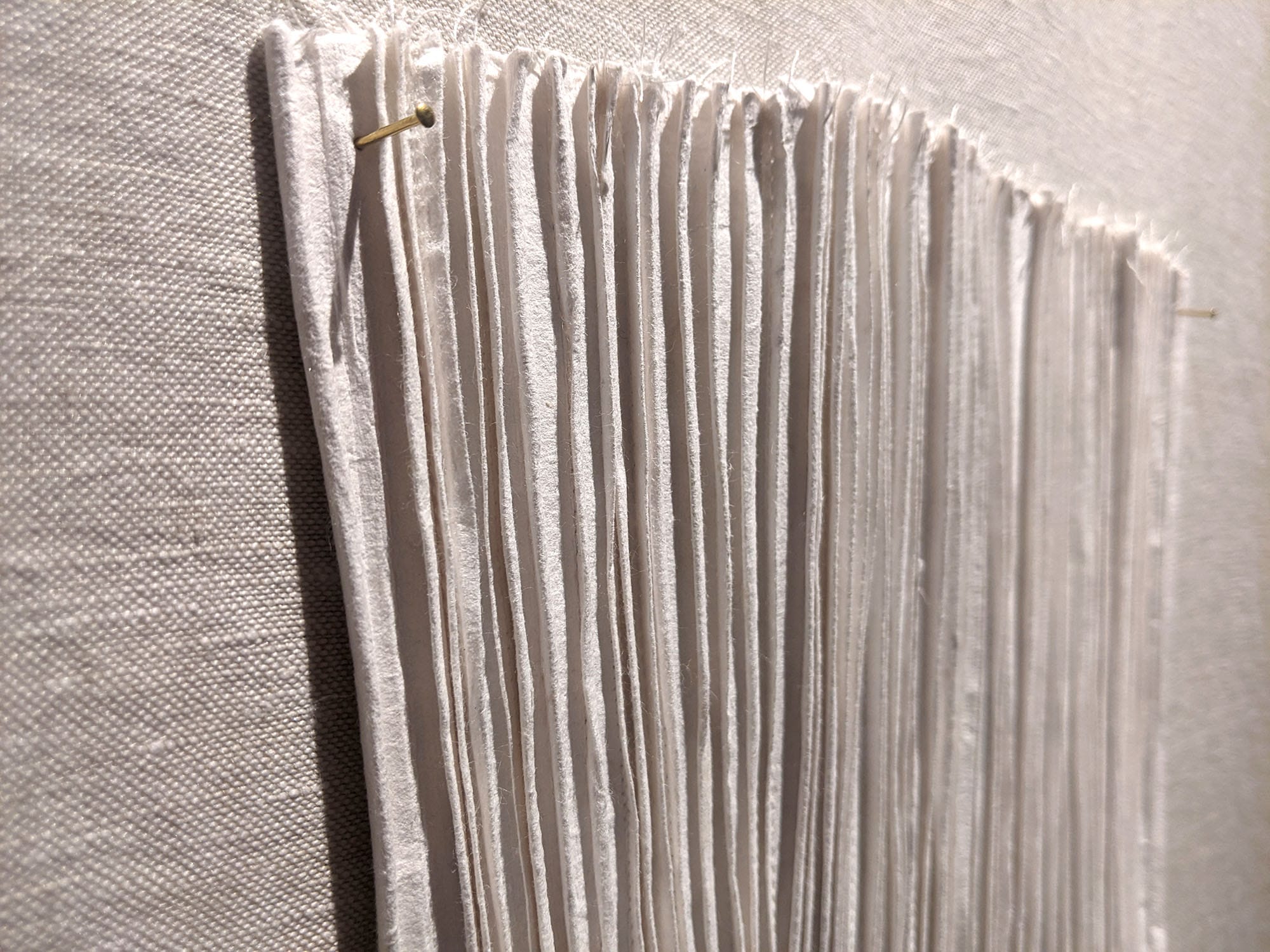
Comprising found and salvaged materials, the exhibition called attention to the significance of an object’s story in museology. Using papermaking processes to rework discarded nursing uniforms from a second hand shop in Zabok, an Arena cardigan from Hrelić flea market, a patch of grass collected from the site of Kamensko workers’ hunger strike, the wool dust collected from carpet shearing, and scraps of recycled floorcovering which failed to meet standards, their fibres were fused with the pulped white cotton workcoats of textile conservation. The soft pastel shades of reconstituted ‘cloth’ were then cut and patchworked, recalling the architectural ornamentation of a museum, or pleated, tucked, and rolled into beads to directly reference items on permanent display in other rooms of the Museum.
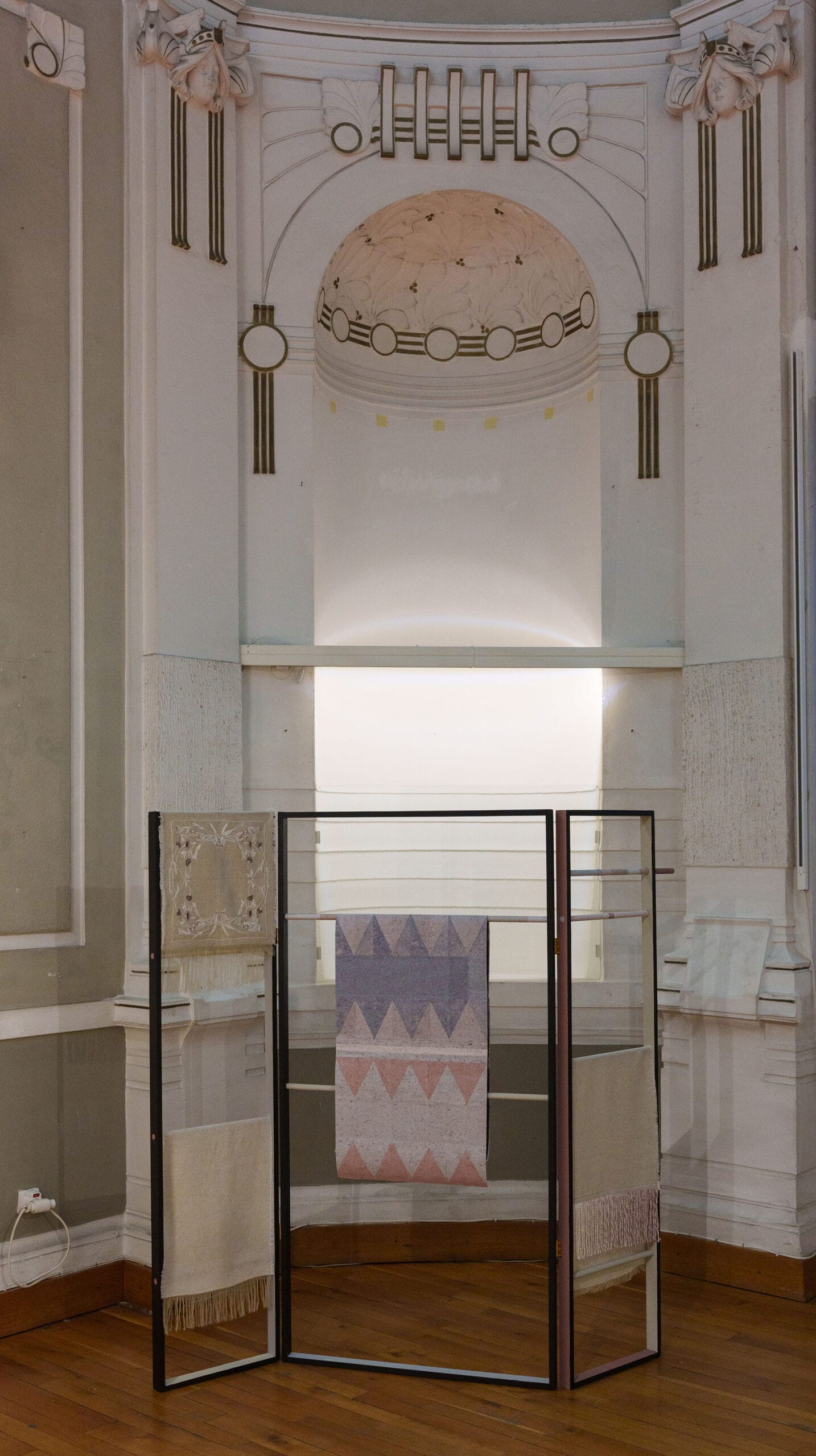
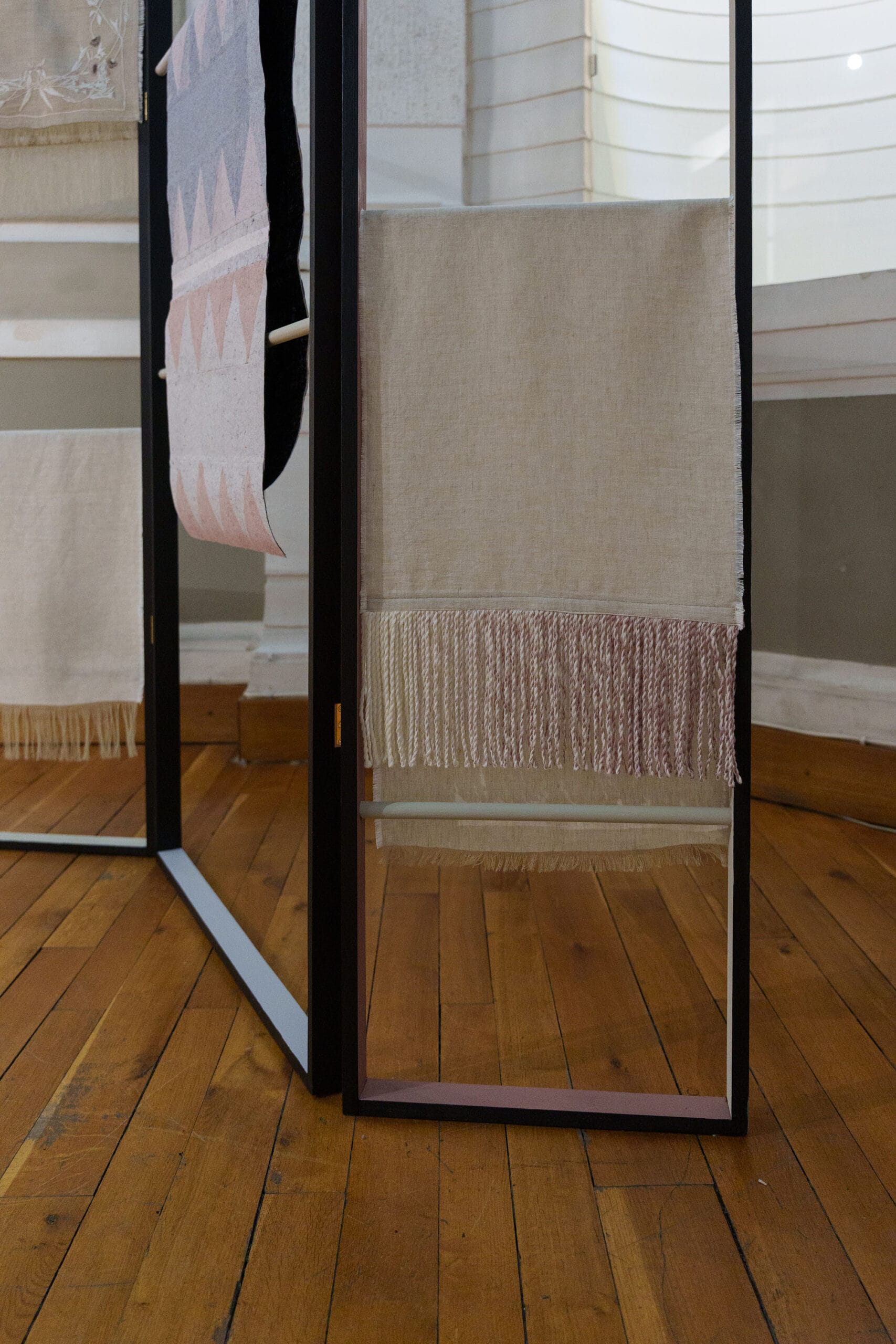
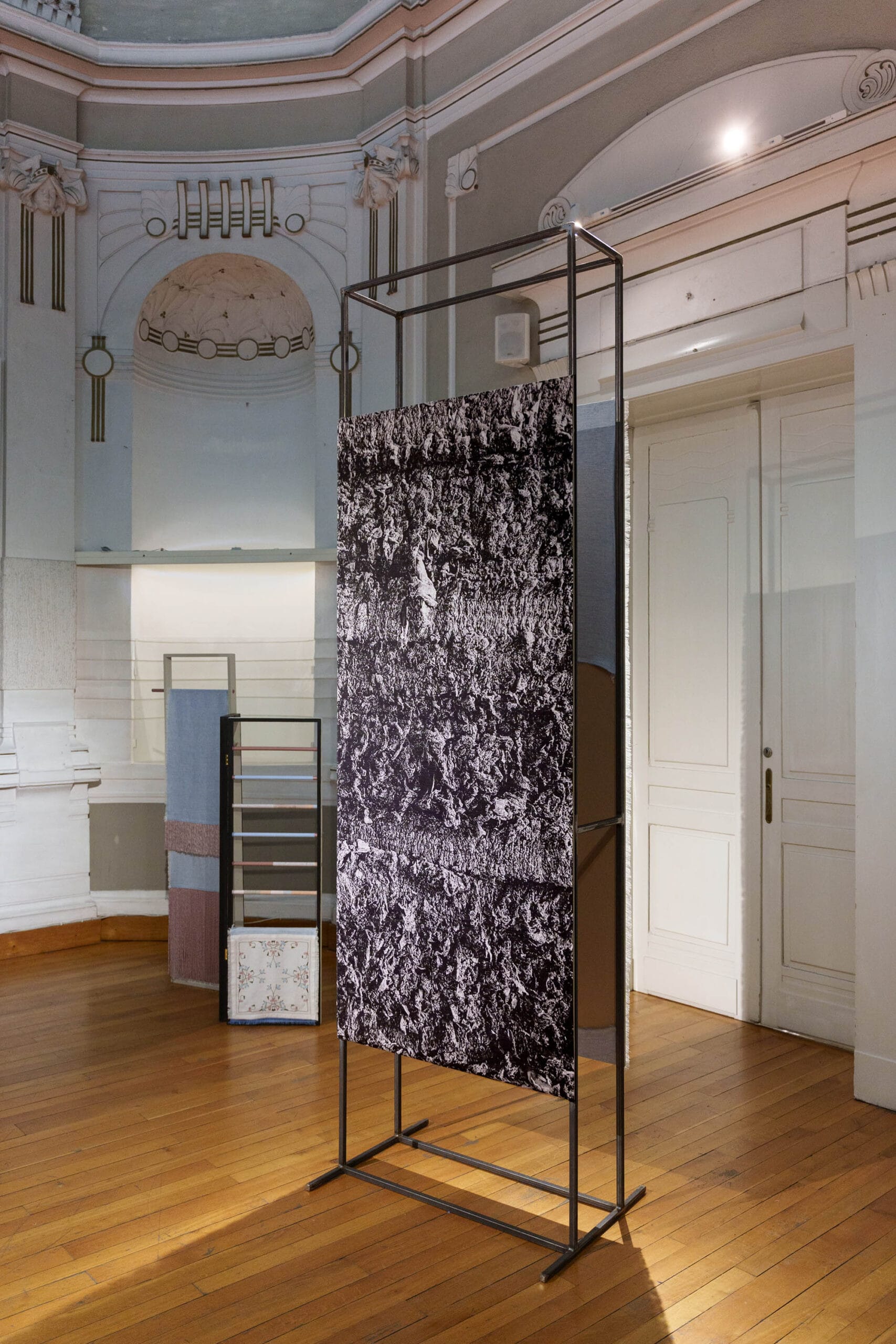
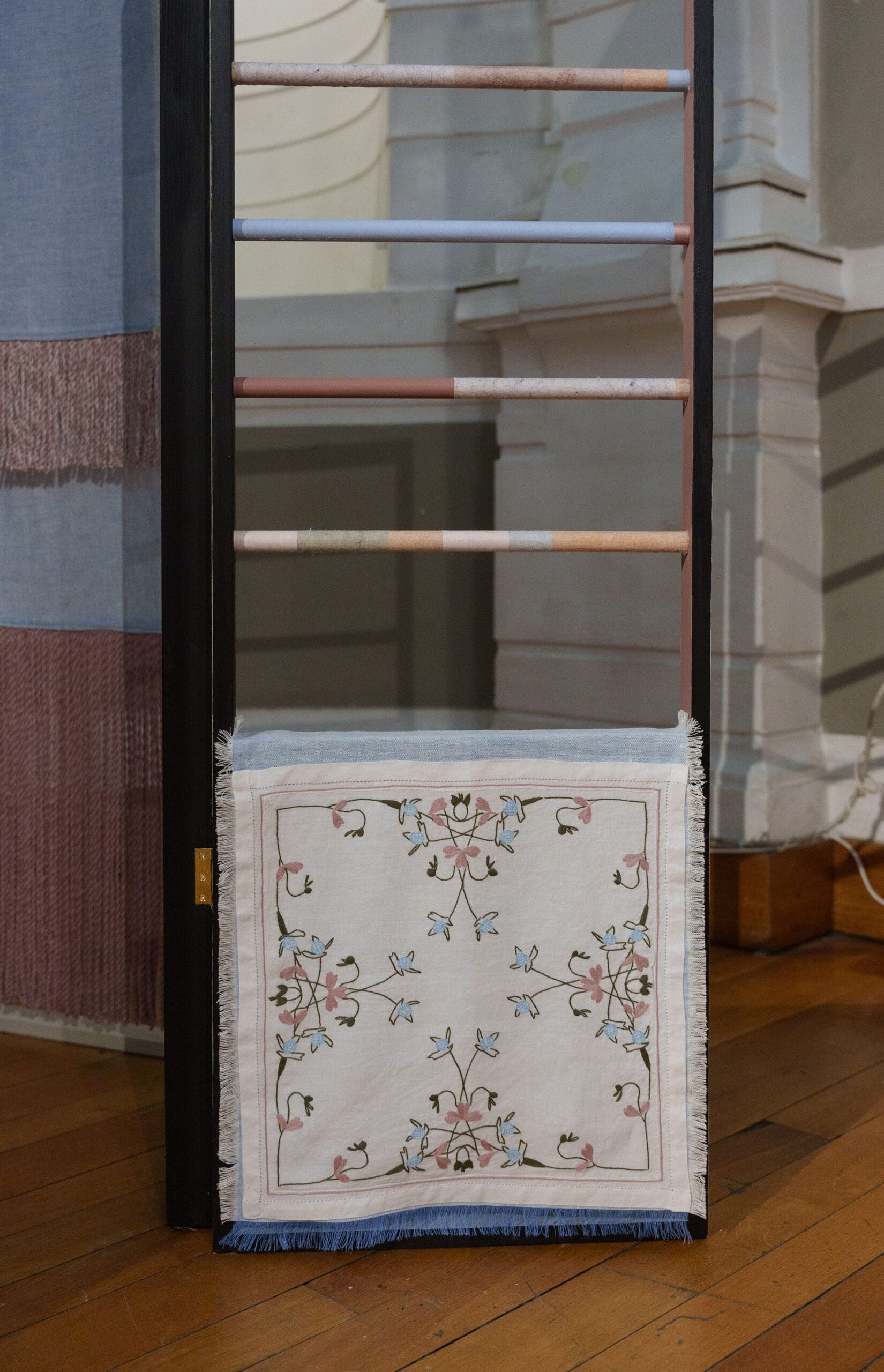
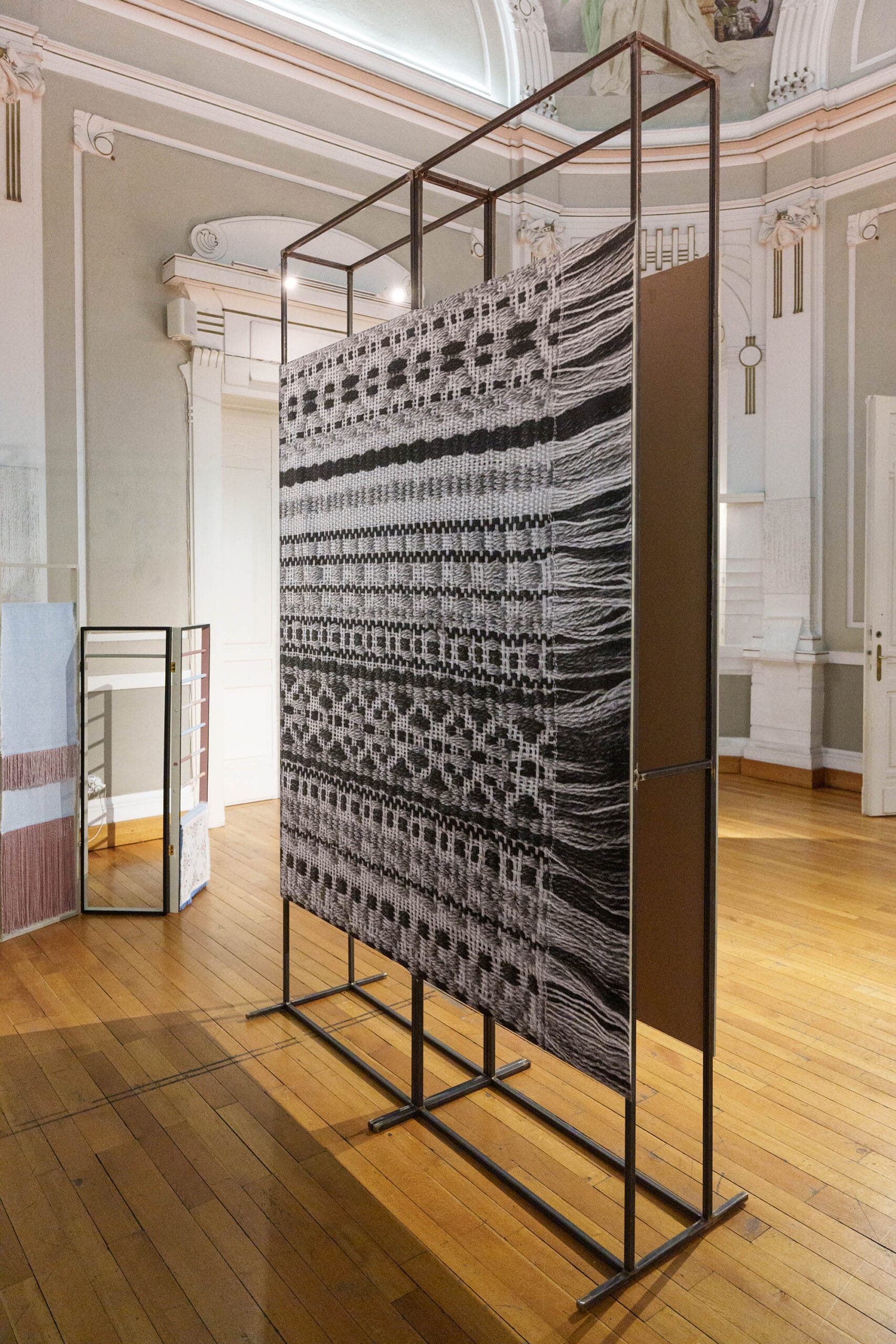
As part of the ongoing series Relics of the Future, these were exhibited alongside photographic details of their material beginnings – a souvenir tablecloth, a mountain of textile factory trimmings, and bales of felted recycling digitally printed onto fabric. This drew directly from the Museum’s use of high contrast black and white photographs as backdrops to displays of national dress – enlarged textures from archival imagery of places documented by curators in the course of building their collections. These efforts to reveal the origins of an object contrast with the tassled fringes on lengths of linen – the unpicked threads of a souvenir tablecloth bought in a tourist shop reworked, the ethnic motifs it promises to preserve reduced to a gradient of colour. The erasure echoes the fall of Croatia’s industrial textiles industry – only fragments of it survive, and in private collections more than state institutions. Factories were closed and cleared almost overnight. Mismanagement, bankruptcy, and speculation over property development for tourism replacing previous narratives of a thriving industry and the emancipation of a female workforce.
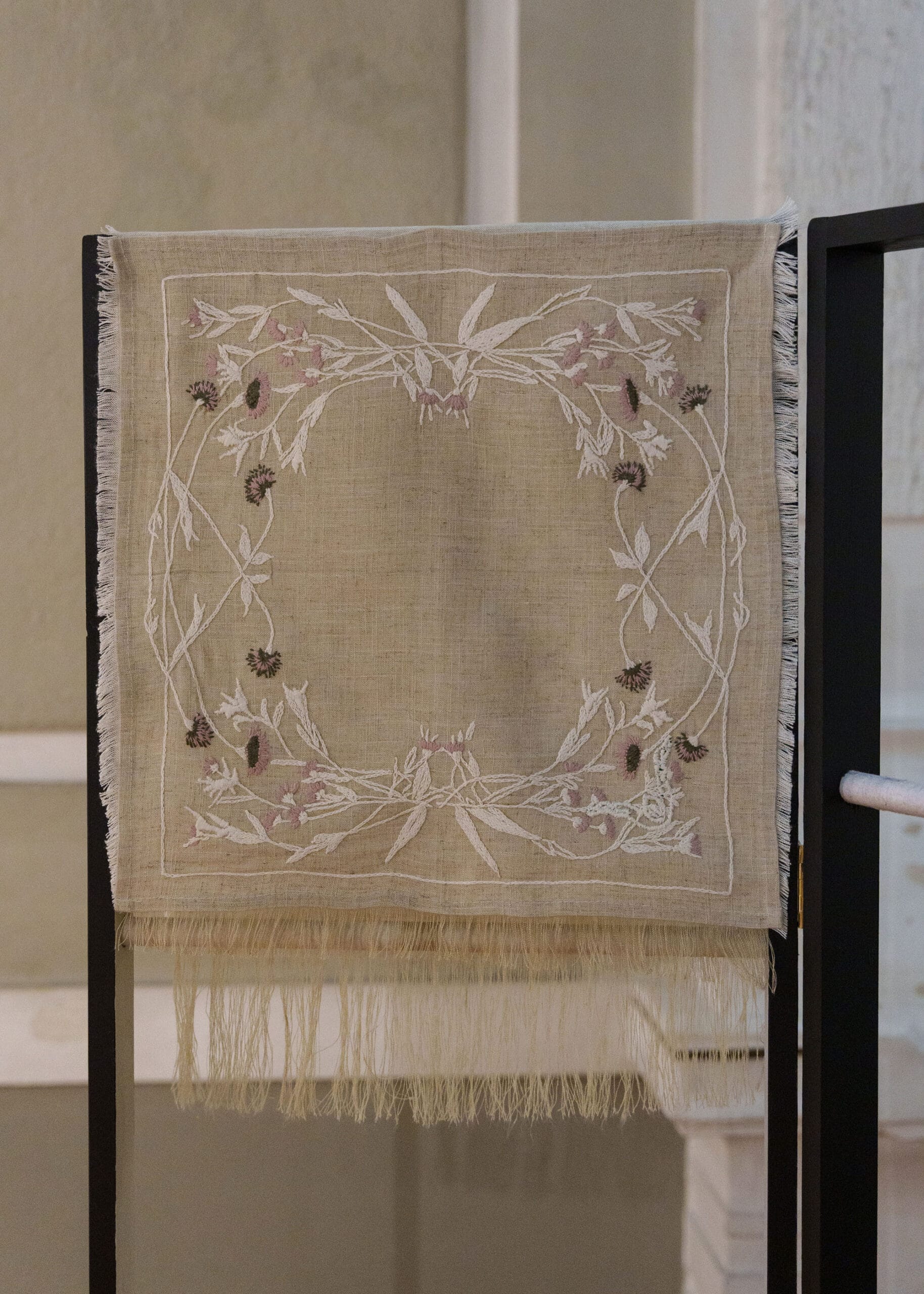
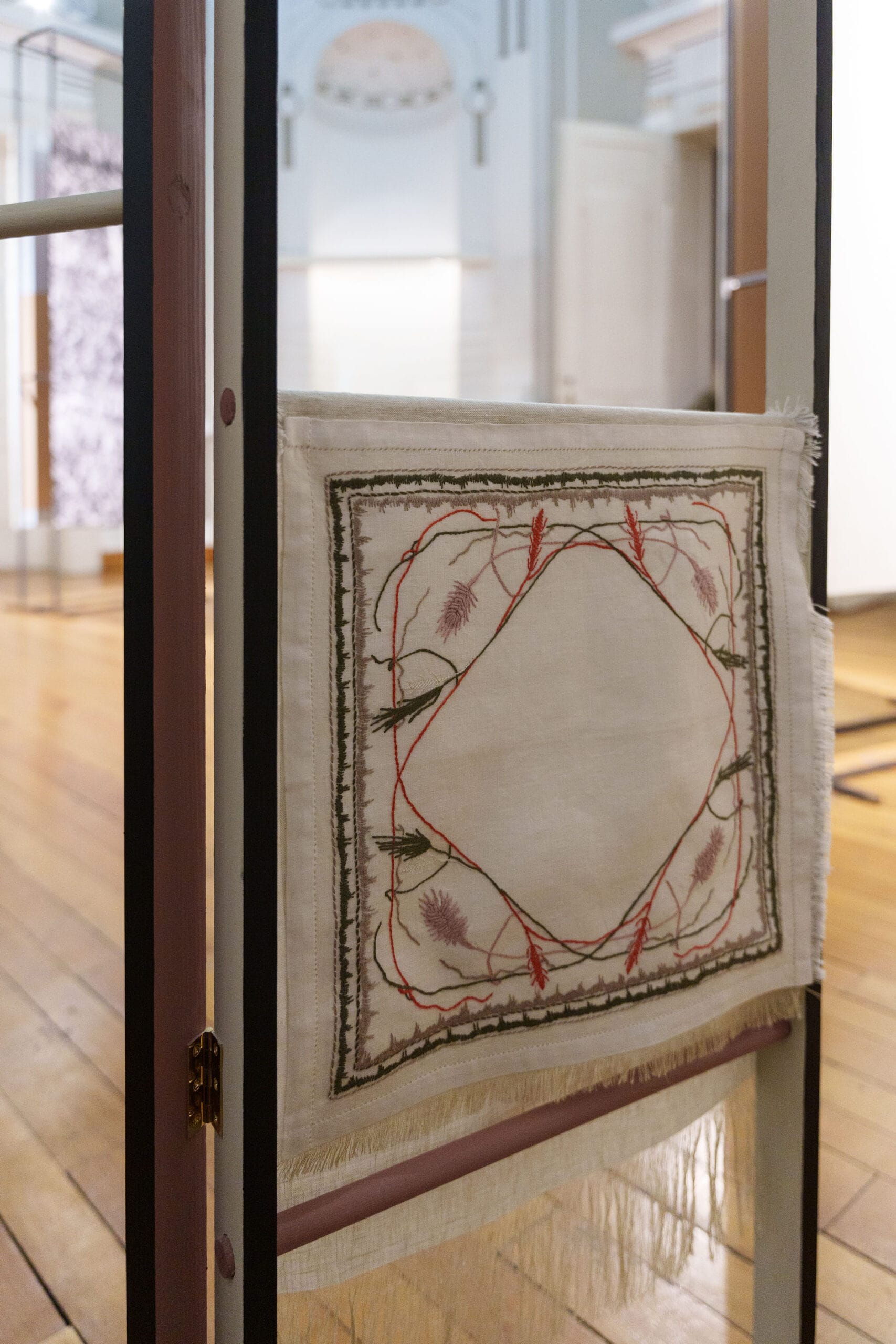
Working under the banner of Home Industries and meeting weekly around a table in an earlier exhibition at Kunstverein Aughrim, a small workforce of Irish needleworkers was established to assist with the production of embroidered elements of the show. Making connections between the former cottage industries, flax processing and weaving traditions of Croatia and Ireland, and drawing attention to what is preserved and promoted of a nation’s identity, Home Industries embroidered a series of linen handkerchiefs sourced from tourist shops in Ireland with the unpicked threads of table linen bought in tourist shops in Croatia. Memorialising my walk to Hrelić flea market in search of traces of lost garment factories, and the shape of shadows cast by architectural ornamentation on the Croatian State Archives building, the Keepsakes series pays homage to fallen communities of socialist labour and museum collections of fading skills.